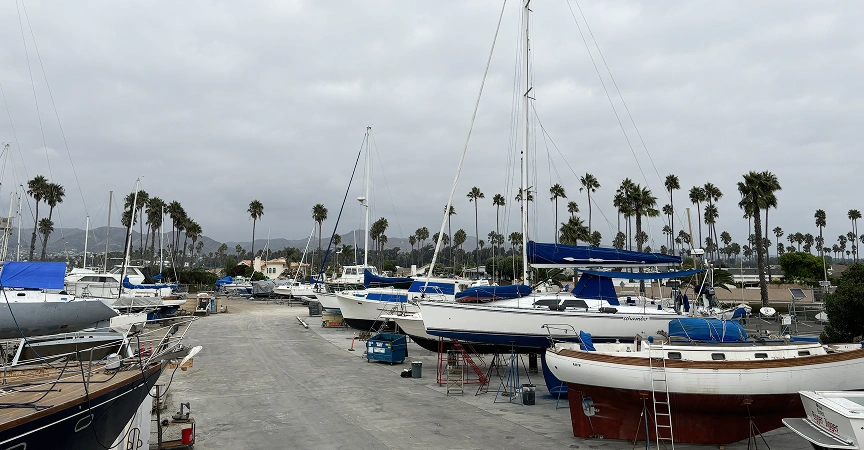
For boat owners, Derecktor Ventura, located in Ventura Harbor, provides expert support to keep vessels in top condition, offering advanced facilities and a full range of services for both commercial and pleasure boats, with a skilled team ready to handle preventative maintenance, storage, and repairs for your boating needs.
Spotting repair needs promptly also ensures safety on the water. A well-maintained boat reduces the risk of accidents, mechanical failures, or unexpected breakdowns while out at sea. In addition, keeping your boat in good condition improves overall performance, from smoother rides to better fuel efficiency. By staying attentive to signs of wear and partnering with professionals like Derecktor Ventura, boat owners can enjoy their time on the water with confidence and peace of mind.
Boat Owners
- Conduct pre- and post-trip inspections: Check the hull, deck, engine, and electrical systems before and after each outing.
- Listen for unusual sounds: Pay attention to strange noises like knocking, grinding, or other unusual engine noises.
- Monitor performance: Watch for changes in speed, steering responsiveness, or fuel efficiency.
- Check fluids and fuel levels: Regularly inspect oil, coolant, and fuel to catch leaks or contamination early.
- Keep a maintenance log: Record inspections, repairs, and service dates to track your boat’s condition over time.
Signs Your Boat Needs Repairs
Common warning signs to watch for include:
- Leaks or water intrusion: Water in the bilge or visible cracks in the hull may indicate structural problems.
- Unusual engine noises: Knocking, grinding, or sputtering sounds can signal engine trouble.
- Poor performance: Reduced speed, difficulty steering, or sluggish acceleration may point to mechanical or propulsion issues.
- Electrical problems: Flickering lights, dead batteries, or malfunctioning gauges can indicate wiring or battery issues.
- Excessive vibrations: Vibrations while underway may suggest problems with the propeller, engine mounts, or alignment.
Common Signs
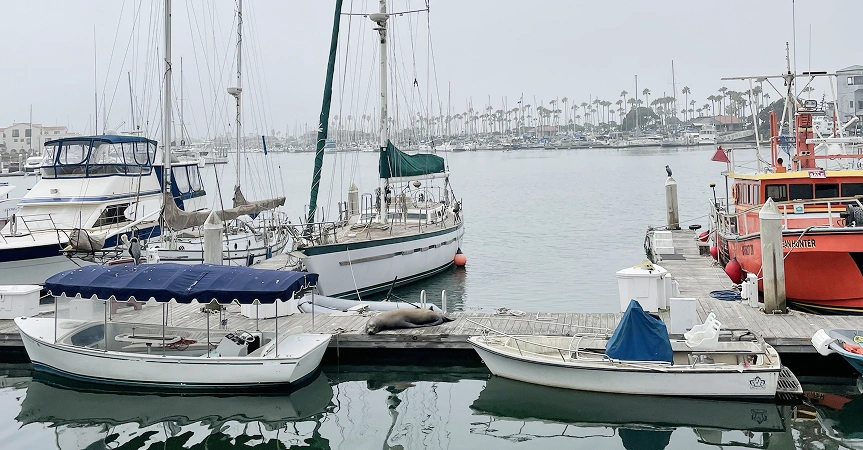
Boats often display several indicators that repairs are needed. Recognizing these common signs early can help prevent small issues from turning into major problems. These signs can be categorized into visual, auditory, and performance-related indicators.
Visual signs to watch for include:
• Leaks in the hull or around fittings
• Rust or corrosion on metal components
• Cracks, chips, or other damage to the hull or deck
• Worn or frayed ropes, cables, or safety equipment
Auditory signs may indicate internal issues, such as:
• Unusual engine noises like knocking, grinding, or squealing
• Hissing or whistling sounds from the exhaust or fuel system
• Clicking or buzzing noises from electrical components
Performance signs can reveal mechanical or propulsion problems, including:
Reduced speed or sluggish acceleration
Difficulty steering or handling
Poor fuel efficiency or sudden drops in power
Vibrations that feel stronger than normal during operation
Excessive Vibrations
Boat owners can check for abnormal vibration levels safely by following these tips:
- Inspect the propeller: Look for bent, chipped, or damaged blades that can cause imbalance.
- Check engine mounts: Ensure mounts are secure and not worn or cracked.
- Monitor engine performance: Vibrations may increase if the engine is misfiring or experiencing mechanical issues.
- Test at different speeds: Observe whether vibrations occur consistently or only at certain speeds to help pinpoint the source.
- Consult a professional if needed: Persistent or severe vibrations should be evaluated by a qualified marine technician.
Electrical Issues
- Flickering or dim lights: Indicates loose connections, corroded terminals, or failing wiring.
- Dead or weak batteries: May result from insufficient charging, age, or parasitic drains.
- Malfunctioning gauges or instruments: Erratic or inaccurate readings can signal wiring or sensor problems.
- Frequent blown fuses or tripped breakers: Suggests overloaded circuits or short circuits.
Regular Maintenance
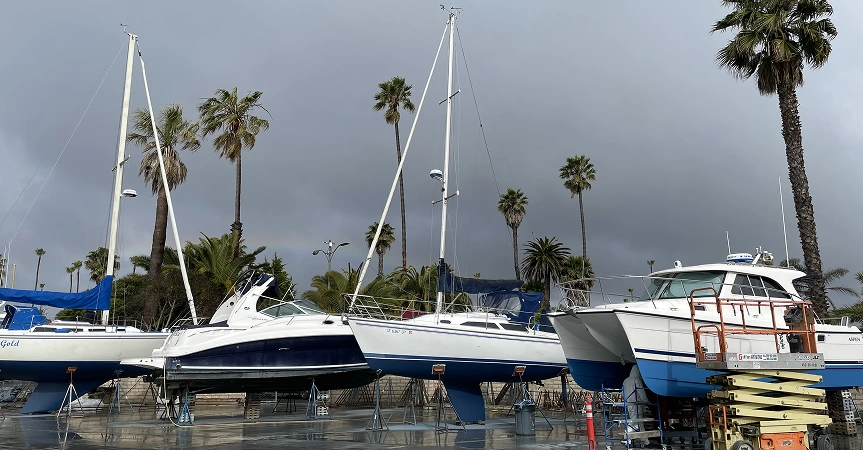
- Engine checks: Inspect oil, coolant, and fuel levels before and after each trip, and change oil and filters as recommended.
- Hull and deck inspection: Look for cracks, chips, or corrosion, and clean the hull regularly.
- Propeller and steering system: Check for damage, wear, and proper alignment.
- Electrical system: Test lights, gauges, and batteries to confirm they work properly.
- Safety equipment: Ensure life jackets, fire extinguishers, and other safety gear are in good condition.
Boat Repairs and Service
Common types of boat repairs include:
- Engine repairs: Fixing overheating, loss of power, or worn components to ensure smooth operation.
- Hull repairs: Addressing cracks, leaks, or corrosion to maintain structural integrity.
- Electrical system repairs: Resolving issues with batteries, wiring, lights, and gauges.
- Propulsion system repairs: Servicing propellers, shafts, or drive systems to reduce vibrations and steering problems and improve performance.
The benefits of addressing occasional repairs promptly include:
- Enhanced safety: Reduces the risk of mechanical failure while on the water.
- Improved performance: Ensures smooth handling, efficient fuel use, and reliable operation.
- Cost savings: Prevents minor issues from escalating into expensive repairs.
- Extended lifespan: Keeps all systems in optimal condition, protecting your investment.
When choosing a boatyard, consider:
- Certifications and experience: Technicians trained and certified.
- Reputation: Reviews, references, and recommendations from other boat owners.
- Range of services: Ability to handle inspections, maintenance, and complex repairs.
- Warranty and guarantees: Clear service terms and work backed by the center.


